

Meet Samuel: Supporting Missing Person Investigation
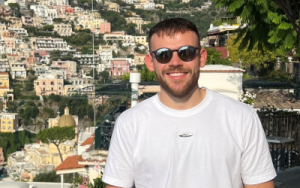
Meet Samuel Childerley, Acting Supervisor in the Missing Investigation Support Team (MIST), who plays a key role in supporting investigations and safeguarding vulnerable individuals. We spoke to Sam to find out what a typical day looks like, the challenges of the role, and what makes the work so rewarding.
Can you tell us about your current role as Acting Supervisor and your main responsibilities?
I am currently an Acting Supervisor within MIST, overseeing a team of Missing Investigation Support Officers.
My role involves reviewing and triaging live cases, directing activity, and maintaining clear oversight to ensure investigations remain active, focused, and purposeful. I also act as a tactical advisor, identifying opportunities during investigations and ensuring we maintain focus on the missing person and their family.
What does the Missing Investigation Support Team do, and how does your role support investigations?
MIST works alongside Local Command Units (LCUs) to support missing person investigations through specialist enquiries and oversight, particularly in complex, high-risk, and long-term cases.
We bring in-depth knowledge of missing person investigations, enabling us to identify new lines of enquiry, challenge gaps, and maintain momentum. We also retain oversight of long-term cases and ensure ongoing contact with families, so they remain reassured that their loved one has not been forgotten.
 How did you get into this line of work, and what led you to this position?
I previously worked in recruitment but wanted a role within the public service where I could make a tangible difference. After researching the MISO role, I joined MIST and have since progressed into a supervisory position.
What does a typical day look like for you in this role?
My day starts with reviewing all live missing person cases across the force, building a clear understanding of risk, vulnerability, and investigative opportunities.
I then direct work across the team and remain actively involved as cases progress. We also lead a daily partnership briefing with Children’s Social Care, enabling fast-time information sharing and ensuring a clear, multi-agency understanding of each case.
What’s the first thing you do when you start your shift, and what types of cases does your team typically deal with?
The first thing I do after making a coffee is review all live cases to establish risk and set priorities for the day.
I prioritise based on risk, vulnerability, and where we can have the greatest impact. While missing children are often the key focus, I also consider complexity and where directing activity will most effectively progress an investigation. Priorities are continually reassessed as new information emerges.
My team deals with a wide range of cases, including missing children, adults, and long-term investigations. In many instances, a missing episode is a symptom of wider vulnerability, including hidden harm and risks such as exploitation or criminality.
How do you balance supervisory responsibilities with operational demands?
It requires clear direction and constant situational awareness. I remain accessible to the team while maintaining a clear view of all active cases, adjusting priorities quickly as situations evolve.
What are some of the key challenges in managing missing person investigations, and how do you support your team through complex or sensitive cases?
A key challenge is making informed decisions when information is limited or continually evolving. Maintaining momentum – particularly in long-term cases- is critical to ensuring investigations remain meaningful.
To support the team, I maintain regular contact, provide clear direction, and recognise the fast-paced and often emotionally demanding nature of the work. Creating an environment where people feel supported, while ensuring sound decision-making, is essential.
What skills are most important for someone working in your team, and what advice would you give to those interested in this field?
Professional curiosity, strong analytical thinking, and confident decision-making are essential, alongside clear communication, teamwork, and resilience.
My advice would be to develop these skills early, stay curious, and seek opportunities that expose you to safeguarding and investigative work. Approach every case with empathy, be prepared to challenge assumptions, and remain committed to pursuing every opportunity.
What is the most rewarding part of your role? Can you share a moment that has stayed with you, and what motivates you each day?
The most rewarding part of the role is locating a missing person safe and well, and knowing that our work has directly contributed to that outcome.
Receiving feedback from a family following a positive outcome is something that has stayed with me, as it reinforces the importance of persistence and maintaining focus in every investigation.
What motivates me each day is knowing that, for many people, reporting someone missing may be their first experience of the police, and how we respond truly matters. Being able to safeguard vulnerable people and make a difference is what drives me.
What’s something people might not realise about your role?
The level of coordination involved, particularly across partner agencies, and the number of enquiries progressing behind the scenes to move investigations forward.
If you weren’t doing this job, what would you be doing instead?
Travelling and seeing more of the world.
—
Samuel and our MIST team play a crucial role behind the scenes, driving investigations forward and supporting those who need it most, ensuring that every missing person matters and every opportunity is pursued.
Ready to start your own journey?
Visit our Careers website to find out more about becoming part of our TVP family and how you can make a difference in your community.
 Facebook
 Linkedin
 Instagram